


A five-star testimonial is a claim. A branded documentary is proof.
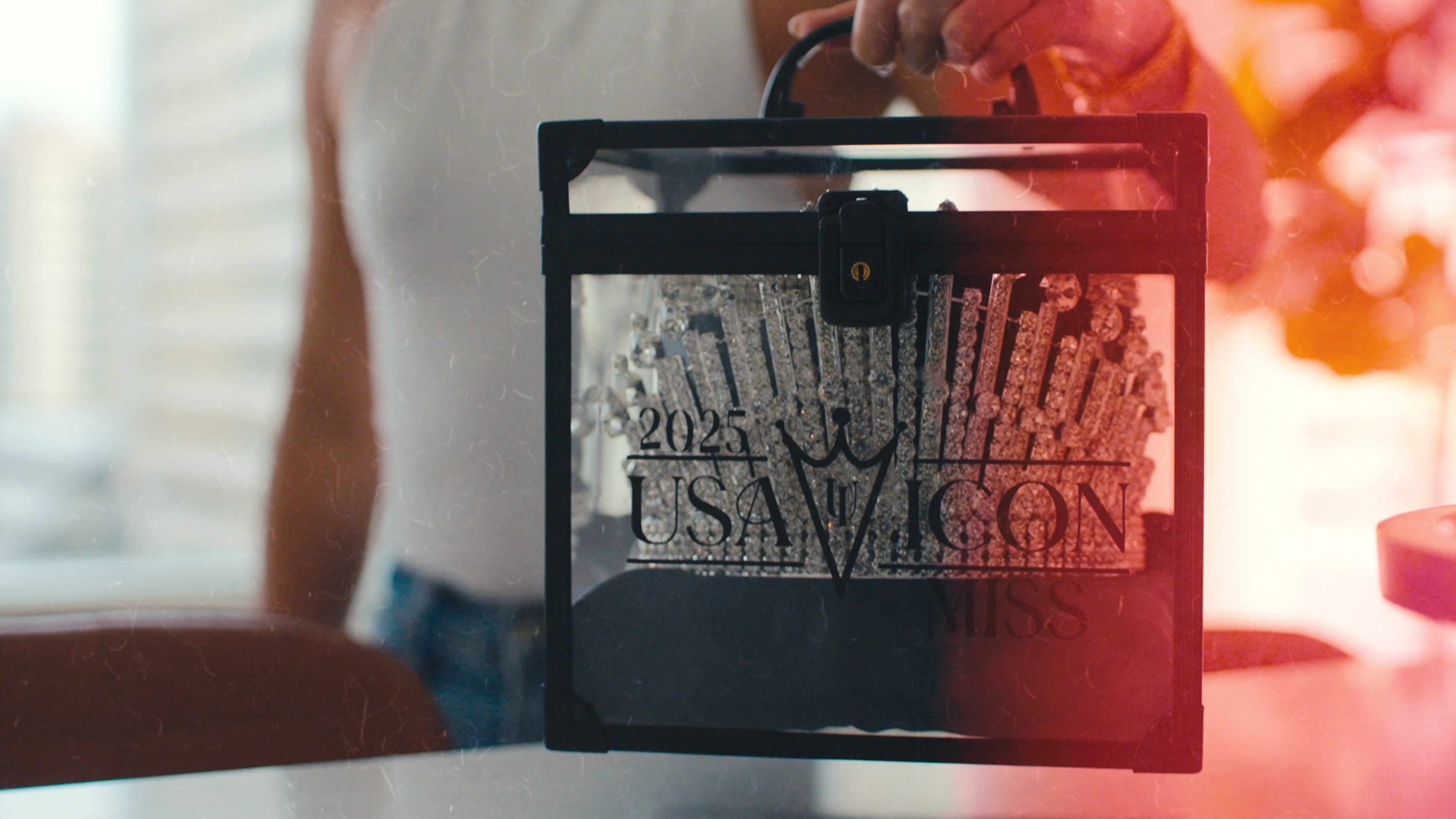
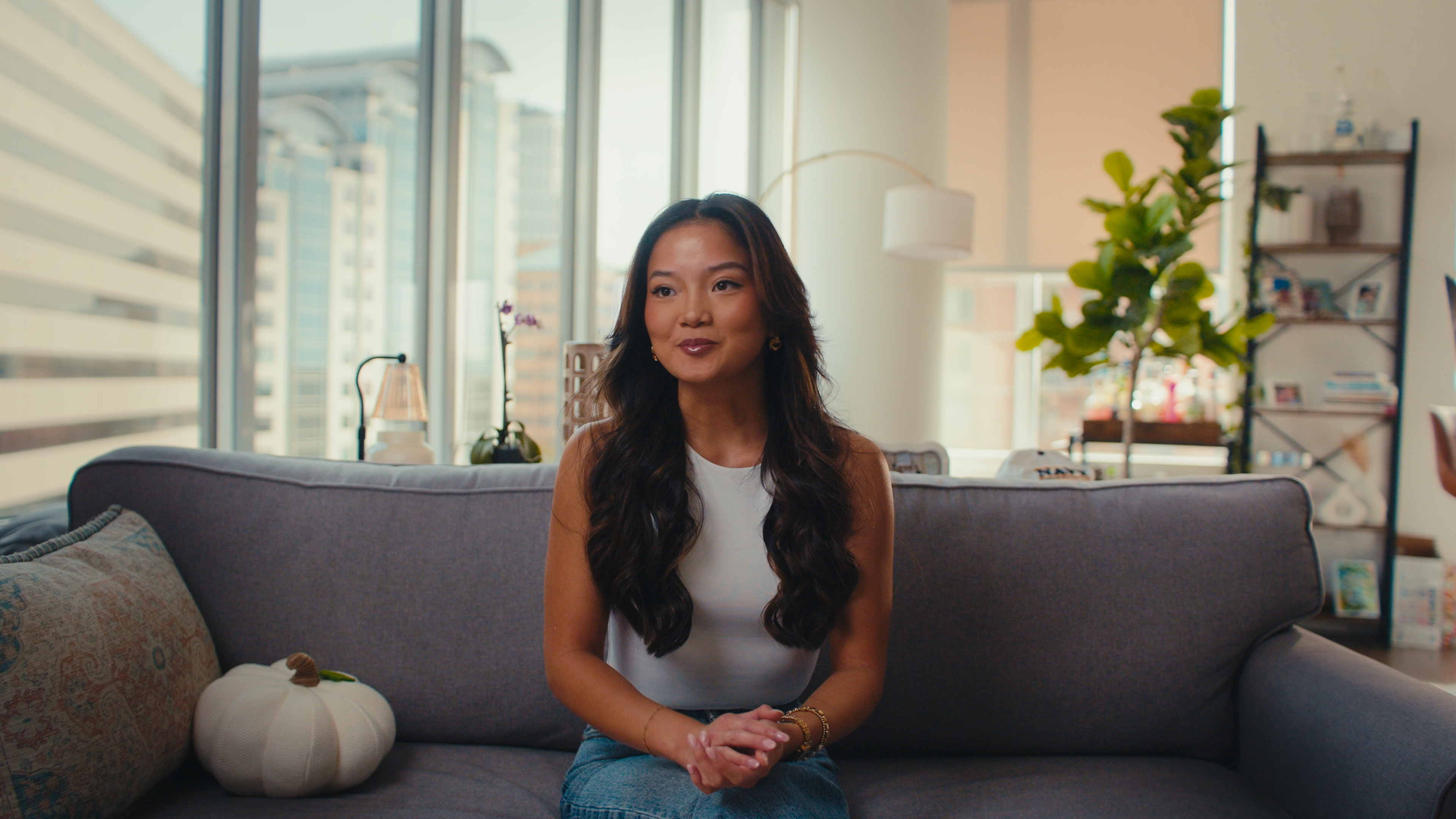
That's the difference behind a recent project I filmed: a mini-documentary on Julia Baylosis, an active-duty Navy nurse and Miss Maryland USA ICON titleholder who advocates for women in uniform. I'm sharing it not because it's about a pageant, but because it's a working example of what documentary-style storytelling can do for marketing managers, event planners, PR firms, nonprofit organizations, and CEOs.
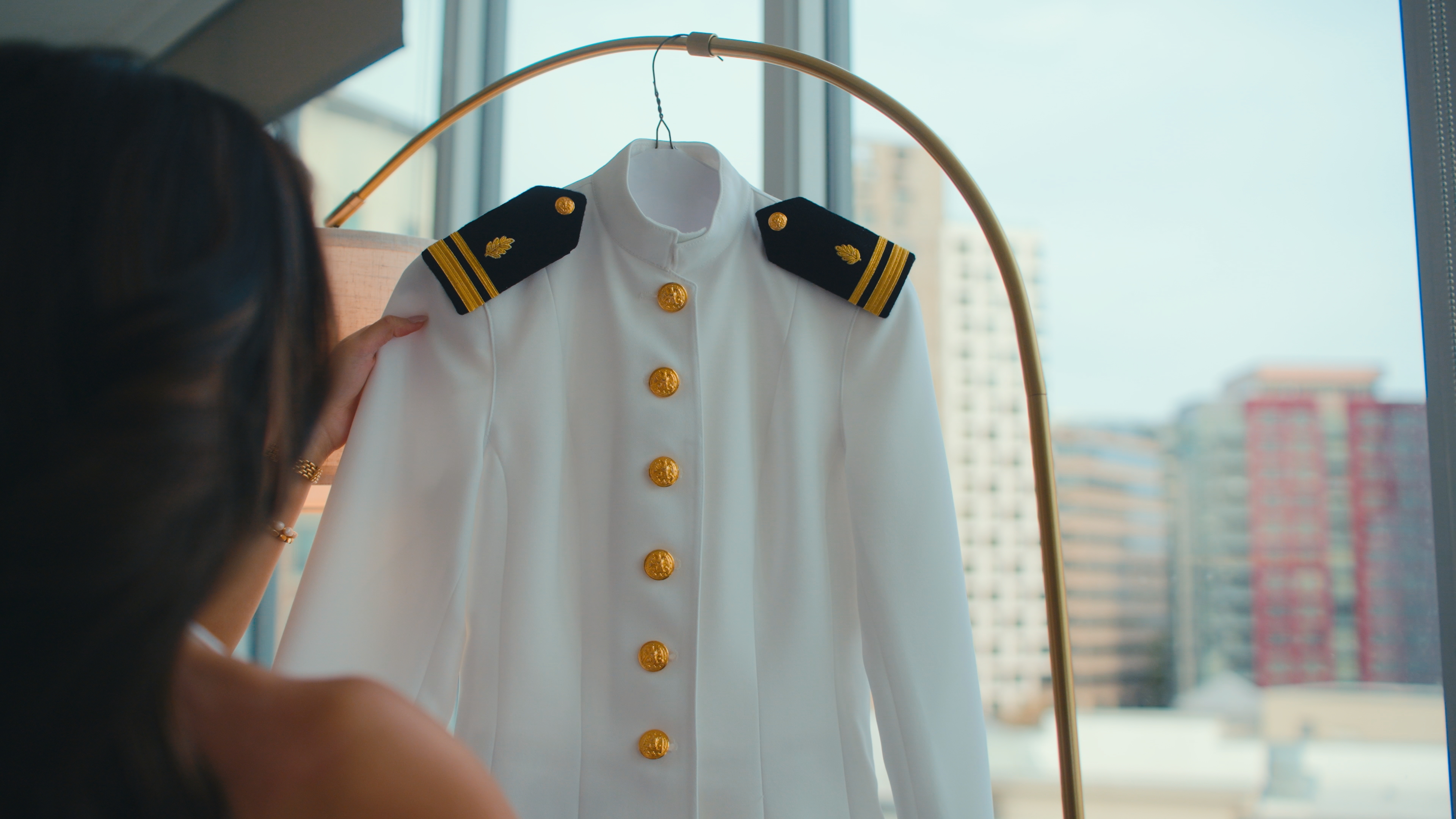
Julia serves as a Navy nurse specializing in neurology and transplant care at Walter Reed, comes from a family with three generations of naval service, and competes in pageantry to advocate for women in leadership — while raising awareness around causes like human trafficking prevention.
On paper, that's a bio. On camera, it's a person holding composure in an ICU one day and stage presence the next. A press release can list credentials. Only documentary-style filmmaking — real interviews, real environments, patient editing — can show what it costs someone to carry both.
The same principle applies to any organization sitting on an untold story:
The pattern: every one of these buyers already has a story competitors can't replicate. What's usually missing is someone trained to ask the fourth question instead of stopping at the first — and to shape the answer into something with a real arc.
Regardless of the subject, the process stays the same:
That last step is what separates a documentary from a testimonial video with better lighting.
If your organization has a patient, founder, tradesperson, donor, or advocate whose story could do this, the format that moves an audience isn't another ad — it's documentary filmmaking done right.
Looking for a documentary and commercial cinematographer for your hospital system, nonprofit, sports organization, company, or podcast? Let's talk about the story you already have.